Employment Tribunal Rules Against Claim of Discrimination against Two Muslim Employees in Lloyds Bank but Reinforces Anti-Zionism as a Protected Belief
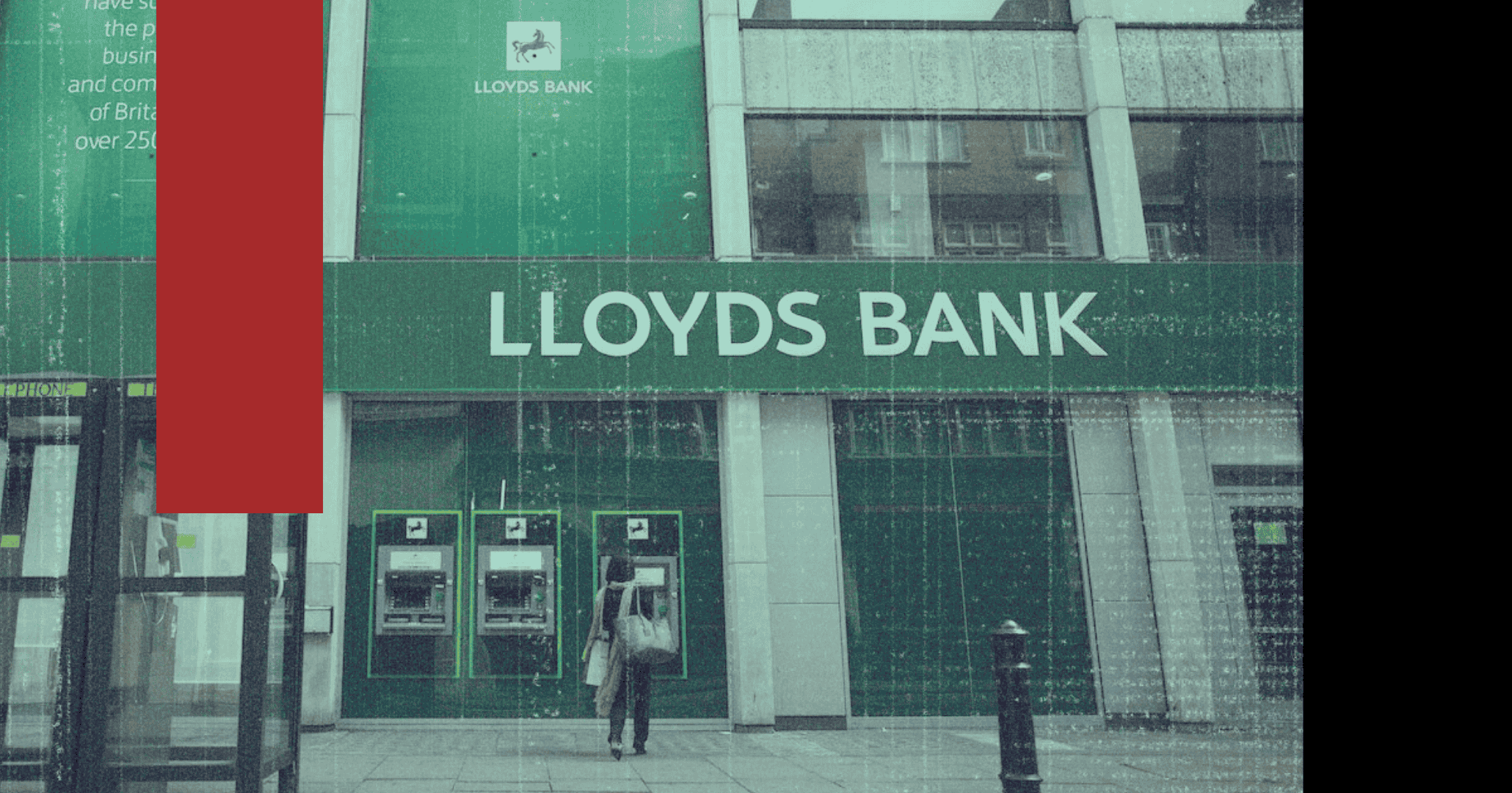
London – (9/02/2026) – The Employment Tribunal has ruled in favour of Lloyds Bank in the highly anticipated case brought by two Muslim employees, Ms A. Sohail and Mrs A. Khalid, who filed a case of discrimination after Lloyds Bank disciplined them for their Palestine solidarity.
While the Tribunal ultimately found in favour of Lloyds Bank on the facts of this case, it delivered a significant and far-reaching clarification of the law by reaffirming that anti-Zionism can constitute a protected philosophical belief under the Equality Act 2010, provided the legal criteria are met.
The Tribunal confirmed that such beliefs can be “worthy of respect in a democratic society”, reinforcing an established and growing body of Employment Tribunal decisions recognising the legal protection afforded to anti-Zionist beliefs.
Significance
Although the claims were not upheld on their specific facts, the judgment provides important reassurance to employees and employers alike that anti-Zionist beliefs can fall within the protection of UK equality law, and that disciplinary responses to expressions of conscience must be “carefully calibrated, proportionate, and legally justified”.
Background
The case arose after Lloyds Bank issued final written warnings to Ms Sohail and Mrs Khalid for “gross misconduct” in relation to internal workplace messages posted in May 2021. The messages called on Lloyds Banking Group to divest from and boycott companies alleged to be profiting from violations of international law in Palestine. The disciplinary action included reports to the Financial Conduct Authority, with potential long-term consequences for the Claimants’ professional records.
Ms Sohail and Mrs Khalid brought claims of discrimination, arguing that their views on Palestine amounted to a protected philosophical belief under the Equality Act 2010, or arose from their sincerely held Islamic beliefs opposing oppression and racism.
Tribunal Findings
The Tribunal described the case as “finely balanced”. It emphasised that its decision turned on whether the Claimants’ anti-Zionist beliefs had crystallised into a philosophical belief at the time Ms Sohail and Mrs Khalid’s statements were made.
On the evidence before it, the Tribunal concluded that, in May 2021, the Claimants’ views had not yet reached the legal threshold required to qualify as philosophical beliefs, characterising them at that time as political opinions. However, by the date of the final hearing, more than two years later, the Tribunal found that Ms Sohail’s anti-Zionist belief had evolved into a philosophical belief capable of protection under the Equality Act.
Crucially, the Tribunal went on to state that had the Claimants held such protected beliefs at the relevant time, it would have found that Lloyds Bank had discriminated against them. The Tribunal further observed that the disciplinary measures imposed were “heavy-handed and disproportionate” in response to the internal communications.
In determining that anti-Zionist beliefs are capable of being “worthy of respect in a democratic society”, the Tribunal expressly declined to follow aspects of the IHRA definition of antisemitism relied upon by the Respondent. In particular, it rejected the proposition that characterising Zionism or the existence of the State of Israel as racist necessarily falls outside the scope of lawful and protected belief.
Religious Belief
In relation to religious discrimination, the Tribunal accepted that the Claimants’ opposition to oppression and racism was genuine and formed part of their Islamic faith. However, it found that those religious beliefs were not sufficiently manifested in the specific posts relied upon by Lloyds Bank when taking disciplinary action.
Claimants were represented by Mr Franck Magennis of Garden Court Chambers, instructed by the European Legal Support Center.
European Legal Support Center
“This judgment adds to the growing body of cases confirming that anti-Zionism is capable of amounting to a protected philosophical belief under the Equality Act 2010. While the claims did not succeed on the particular facts, the Tribunal made clear that beliefs supporting Palestinian rights can be worthy of respect in a democratic society, and that weaponisation of disciplinary action may give rise to unlawful discrimination. Ms Sohail and Mrs Khalid should be recognised for their principled decision to pursue this case, which has helped clarify the law and strengthen protections for workers who seek to express deeply held beliefs in the workplace.”
Ms Sohail: “I am grateful for the judgment which represents a step forward for the Palestinian cause. While the ruling did not go in our favour, it affirmed that the bank went too far and exposed the excessive nature of its response, confirming that we neither contravened the values of an ‘anti-racist organisation’ nor committed ‘gross misconduct’.
The Palestinian struggle teaches us that resilience is forged through rejection and silence, yet faith and conviction remain unbroken. This outcome is not a defeat. It is a reminder to stand firm with unwavering faith and an unshattered will, to keep going, and to resist until justice and liberation are realised. I stand by what we stood up for and am proud to have the courts address this issue, helping to weaken the weaponisation of allegations of antisemitism against advocacy.”
Mrs Khalid: “Although we are disappointed by the outcome, we take strength from the Tribunal’s clear recognition that anti-Zionist beliefs can be protected in law and deserve respect in a democratic society. This case has never only been about us; it has been about ensuring that workers are not silenced or punished for standing up for justice and human rights. We are proud to have contributed to that wider effort and are continuing to explore next steps, alongside supporters and organisations, to ensure belief protections in employment law are properly understood and upheld.”